
Choosing the Right Roof Replacement Options for Your Home or Business
When it comes to protecting your property, the roof is your first line of defense. Whether you own a home or run a business in Northwest Florida, choosing the right roof replacement options is crucial. A new roof not only safeguards your investment but also enhances curb appeal and energy efficiency. I’ve learned that making the right choice can feel overwhelming, but with the right information, you can confidently select a roof that fits your needs, budget, and style.
Let’s dive into the key factors you should consider when replacing your roof, explore popular materials, and discuss how to make the best decision for your property.
Understanding Your Roof Replacement Options
Before you start shopping for materials or contractors, it’s important to understand the different roof replacement options available. Each type of roofing material has its own benefits and drawbacks, and the best choice depends on your specific situation.
Here are some common roof replacement options you’ll encounter:
Asphalt Shingles: The most popular choice for residential roofs. They are affordable, easy to install, and come in a variety of colors and styles.
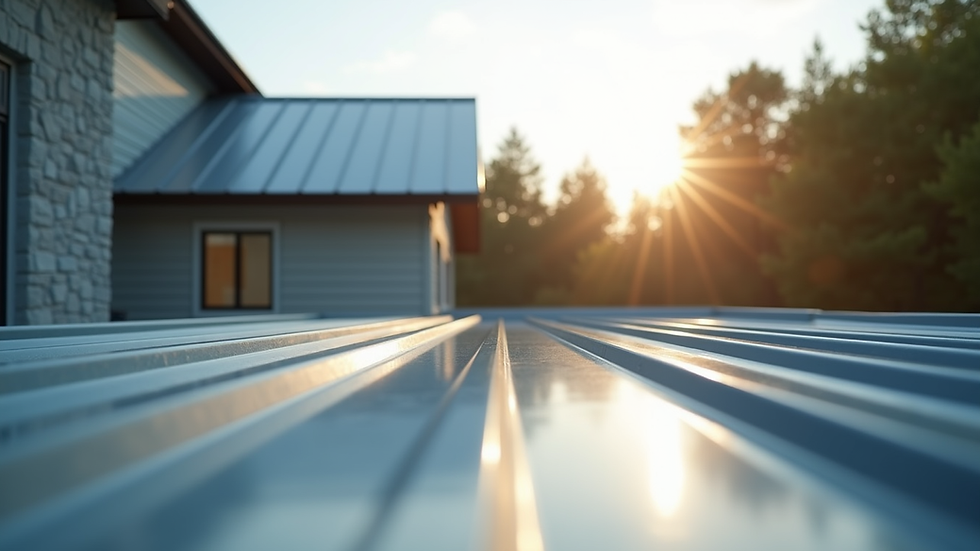
Metal Roofing: Known for durability and longevity, metal roofs can withstand harsh weather and are energy-efficient.
Tile Roofing: Clay or concrete tiles offer a distinctive look and excellent durability but can be heavy and require reinforced roof framing.
Slate Roofing: A premium option with a beautiful natural appearance and long lifespan, but it’s expensive and heavy.
Flat Roof Membranes: Common in commercial buildings, these include materials like TPO, EPDM, and PVC, which provide waterproofing and flexibility.
Each option has unique features that make it suitable for different climates, architectural styles, and budgets. For example, metal roofing is excellent for reflecting heat in sunny climates like Northwest Florida, helping reduce cooling costs.
How to Choose the Best Roof Replacement Options for Your Property
Choosing the right roof replacement option means balancing several factors. Here’s how I recommend approaching this decision:
1. Assess Your Budget
Your budget will narrow down your choices. Asphalt shingles are generally the most cost-effective, while slate and tile roofs are more of an investment. Remember to factor in installation costs, potential structural upgrades, and long-term maintenance.
2. Consider Your Climate
Northwest Florida’s weather includes hot summers, heavy rain, and occasional storms. You want a roof that can handle heat, resist moisture, and withstand wind. Metal and tile roofs perform well in these conditions.
3. Think About Longevity and Maintenance
How long do you want your roof to last? Asphalt shingles typically last 15-30 years, while metal and tile roofs can last 50 years or more. Also, consider how much maintenance you’re willing to do. Some materials require regular upkeep, while others are virtually maintenance-free.
4. Match Your Home’s Style
Your roof should complement your property’s architecture. For example, tile roofs suit Mediterranean-style homes, while asphalt shingles fit most traditional designs.
5. Energy Efficiency
Energy-efficient roofing materials can save you money on utility bills. Light-colored or reflective roofs reduce heat absorption, which is a big plus in sunny climates.
6. Local Building Codes and HOA Rules
Check local regulations and any homeowners association guidelines before making your final choice. Some areas have restrictions on roofing materials or colors.
By carefully weighing these factors, you can narrow down your options and feel confident in your decision.
What Color Roof Increases Home Value?
Color is more than just an aesthetic choice - it can impact your home’s value and energy efficiency. In Northwest Florida, where the sun shines bright, lighter roof colors tend to be more popular and practical.
Why Lighter Colors?
Reflect Heat: Light colors like white, beige, or light gray reflect sunlight, keeping your home cooler.
Energy Savings: Reflective roofs reduce the need for air conditioning, lowering energy bills.
Curb Appeal: Neutral and earth tones blend well with most home styles and landscapes, appealing to a broad range of buyers.
Popular Colors That Boost Value
Light Gray: Modern and versatile, it works well with many exterior colors.
Beige or Tan: Warm and inviting, these colors complement brick or stone facades.
White or Off-White: Highly reflective and clean-looking, ideal for energy efficiency.
Avoid very dark colors like black or deep brown in hot climates, as they absorb heat and increase cooling costs. However, if your home is shaded or in a cooler microclimate, darker roofs might be acceptable.
Choosing the right roof color can subtly increase your property’s market appeal and save you money over time.

The Installation Process: What to Expect
Once you’ve selected your roof replacement option, it’s time to plan the installation. Knowing what to expect can ease any concerns and help you prepare.
Step 1: Inspection and Preparation
A professional roofer will inspect your current roof to assess damage and determine if any repairs or structural reinforcements are needed. They’ll also measure your roof to estimate materials.
Step 2: Removing the Old Roof
The existing roofing material is stripped away. This step can take a day or more depending on the roof size and material.
Step 3: Repair and Preparation
Any damaged decking or underlayment is repaired or replaced. Proper preparation ensures your new roof will last.
Step 4: Installing the New Roof
The new roofing material is installed according to manufacturer specifications. This includes underlayment, flashing, and ventilation components.
Step 5: Cleanup and Final Inspection
The crew cleans up debris and performs a final inspection to ensure quality and safety.
Tips for a Smooth Installation
Choose a reputable contractor with experience in your chosen roofing material.
Ask about warranties on both materials and workmanship.
Prepare your property by moving vehicles and outdoor furniture.
Communicate clearly with your roofer about timelines and expectations.
A well-managed installation process leads to a durable, beautiful roof that protects your property for years.
Maintaining Your New Roof for Longevity
After investing in a new roof, you want it to last as long as possible. Regular maintenance is key.
Simple Maintenance Tips
Inspect your roof twice a year and after major storms.
Clean gutters and downspouts to prevent water damage.
Trim overhanging branches to avoid damage and debris buildup.
Check for moss or algae growth and clean as needed.
Address minor repairs promptly to prevent bigger issues.
When to Call a Professional
If you notice missing shingles, leaks, or sagging, it’s time to get a professional inspection. Early intervention can save you money and extend your roof’s life.
By staying proactive, you protect your investment and keep your property safe and comfortable.
Choosing the right roof replacement options doesn’t have to be stressful. With the right knowledge and a trusted roofing partner, you can enjoy a beautiful, durable roof that fits your needs and budget. Whether you prefer the classic look of asphalt shingles or the long-lasting strength of metal or tile, there’s a perfect solution waiting for you in Northwest Florida.
Take your time, ask questions, and make an informed choice. Your roof is more than just a cover - it’s peace of mind for years to come.


Comments